
At-Home Light Therapy Skincare: How to Build an LED Beauty Routine

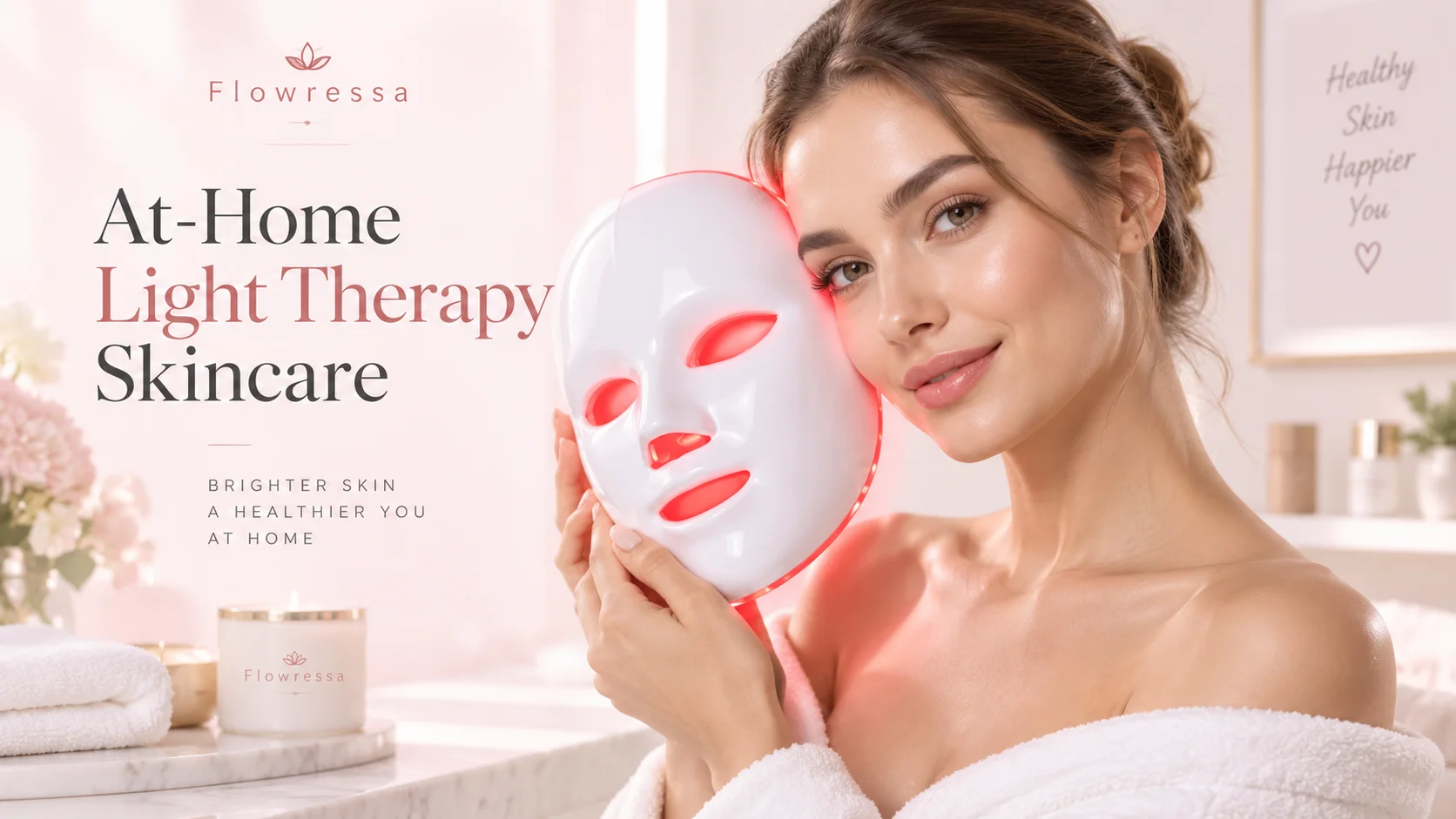
At-Home Light Therapy Skincare: How to Build an LED Beauty Routine
Beauty technology has transformed the way many people approach their daily skincare routines. One of the most talked-about trends is at-home light therapy skincare, where LED beauty devices bring light-based skincare into a convenient home routine.
From glowing LED face masks to handheld facial wands, light therapy devices are designed to deliver specific wavelengths of visible light to the skin without the ultraviolet light associated with tanning. Depending on the device, different light colors may be used for different cosmetic or skincare goals.
However, LED skincare should not be viewed as an overnight miracle. At-home devices are generally less powerful than professional equipment, and results can vary considerably between users.
In this guide, we will explain how at-home light therapy skincare works, explore red and blue LED light, discuss how to add LED devices to your routine, and share important safety tips before you begin.
→ Explore Flowressa Skincare Tools:
https://flowressa.com/collections/skincare/
1. What Is At-Home Light Therapy Skincare?
At-home light therapy uses devices fitted with light-emitting diodes, better known as LEDs, to expose the skin to selected wavelengths of visible or near-infrared light.
Instead of using creams or exfoliating ingredients, the device delivers light directly toward the skin.
LED skincare devices come in several designs, including:
- LED facial masks
- Face and neck masks
- Handheld LED wands
- Facial beauty devices
- Targeted light therapy pens
- Portable LED skincare tools
The exact features and intended uses vary between products, so the manufacturer’s instructions should always be checked before use.
2. Red Light Therapy for an At-Home Skincare Routine
Red light is one of the most recognizable technologies in modern beauty devices.
Red and near-infrared light have been investigated for cosmetic concerns including the appearance of wrinkles and signs of skin aging. Some FDA-cleared consumer devices are specifically indicated for facial wrinkles, although that does not mean every red-light product on the market has the same indication or supporting evidence.
For this reason, red-light devices have become popular among people looking to add a technology-focused step to their beauty routine.
Why People Add Red Light to Their Routine
A typical user may be interested in:
- Supporting a more refreshed-looking complexion
- Complementing an anti-aging skincare routine
- Creating a relaxing beauty ritual
- Using a non-invasive beauty device at home
- Adding beauty technology between professional skincare appointments
Red light should generally be considered a complementary skincare step, rather than a substitute for a complete routine or professional treatment when one is needed. The American Academy of Dermatology similarly notes that dermatologists often use red light alongside other skincare or cosmetic treatments.
3. What About Blue LED Light?
Blue light is another common feature in LED skincare devices.
Visible blue and red light devices have been studied for certain forms of inflammatory acne, and the FDA has a classification for over-the-counter light-based devices intended to treat mild to moderate acne.
However, not every type of acne responds to visible light.
The American Academy of Dermatology notes that visible-light treatments may help with pimples but are not considered effective for every type of acne lesion, including blackheads, whiteheads, cysts and nodules. Results also differ between individuals.
That distinction is important when writing or advertising skincare products: avoid presenting a general LED beauty device as a guaranteed acne cure.
4. Red Light vs. Blue Light: What Is the Difference?
Although both may appear in the same LED device, they are typically marketed toward different skincare goals.
Red LED Light
Often associated with:
- Mature-looking skin routines
- The appearance of fine lines
- Overall skin appearance
- Beauty and rejuvenation routines
Blue LED Light
Often associated with:
- Acne-focused skincare routines
- Blemish-prone skin
- Targeted skincare devices
Some consumer devices combine red and blue light so users can select different modes depending on their routine.
The important point is that the specific capabilities of any Flowressa product should always match the specifications provided for that individual device.
5. How to Build an At-Home Light Therapy Skincare Routine
LED skincare does not need to make your beauty routine complicated.
A simple routine can look like this:
Step 1: Cleanse Your Skin
Start with clean skin and remove:
- Makeup
- Sunscreen
- Excess oil
- Surface impurities
Unless your particular device instructs otherwise, beginning with clean skin makes it easier to create a consistent routine.
Step 2: Prepare Your LED Device
Read the manufacturer’s instructions before your first session.
Check:
- Recommended treatment time
- Distance from the skin
- Recommended frequency
- Eye-protection instructions
- Available light modes
Do not assume that two LED devices should be used in exactly the same way.
Step 3: Choose the Appropriate Light Mode
If the device offers several modes, choose the one corresponding to the manufacturer’s intended use.
For example, a multi-mode beauty device might offer separate red and blue settings.
Step 4: Complete Your Session
Use the device for the recommended period.
Using an LED device for longer than instructed does not automatically produce better results.
Step 5: Continue With Your Skincare Routine
Afterward, depending on your normal routine and product instructions, you may follow with products such as:
- Hydrating serum
- Moisturizer
- Eye-care product
- Facial oil
- Sunscreen during daytime routines
Consistency and sensible skincare habits are generally more useful than constantly changing products or devices.
6. LED Light Therapy and Your Morning Skincare Routine
If you prefer beauty devices in the morning, keep the routine simple.
For example:
Step 1: Gentle cleanser
Step 2: LED skincare session if appropriate for your device
Step 3: Hydrating serum
Step 4: Moisturizer
Step 5: Broad-spectrum sunscreen
Sun protection remains an important part of a skincare routine regardless of whether you use an LED beauty tool.
7. LED Light Therapy and Your Evening Routine
Many users prefer LED skincare during their evening self-care routine because there is more time to relax.
Your routine might include:
Step 1: Remove makeup
Step 2: Cleanse the skin
Step 3: Use your LED device according to its directions
Step 4: Apply your preferred serum
Step 5: Moisturize
The key is developing a routine that is easy enough to follow consistently.
8. Why At-Home LED Skincare Has Become So Popular
One reason beauty technology continues to grow is convenience.
A home device can be used without regularly scheduling a beauty appointment.
LED tools are also highly visual, which is one reason glowing masks and light-based skincare devices have become recognizable across social media.
For beauty enthusiasts, they can turn an ordinary routine into something that feels more modern and engaging.
Other benefits of the format include:
- Easy integration into a home routine
- Reusable beauty technology
- No needles or invasive procedures
- Multiple designs for different areas
- Convenient skincare sessions at home
9. At-Home Devices vs. Professional LED Treatments
It is important to understand the difference.
Professional devices used by dermatologists can be more powerful than many consumer products. At-home devices are designed around convenience but may not provide the same intensity or outcomes as professional treatment.
Therefore, an at-home LED beauty device is better viewed as an addition to a regular skincare routine rather than a replacement for dermatological care.
If you have a persistent or significant skin problem, professional advice is more appropriate.
10. Important Safety Tips for Light Therapy Skincare
LED devices are generally considered non-invasive, but correct use still matters.
Before using an at-home device:
- Follow its instructions carefully.
- Do not exceed its recommended treatment time.
- Use appropriate eye protection when the instructions require it.
- Do not stare directly into intense LEDs.
- Keep the device clean.
- Stop using it if you develop unexpected irritation or discomfort.
- Check whether your medications or skincare products increase light sensitivity.
Short-term LED use is generally considered low risk when devices are used correctly, but experts note that less is known about long-term effects. People with photosensitive conditions or medications that increase light sensitivity should discuss light therapy with a medical professional first.
11. How to Choose an At-Home LED Skincare Device
Not every LED beauty tool is the same.
Before selecting one, consider several factors.
Your Main Skincare Goal
Are you primarily interested in:
- Blemish-focused skincare?
- Mature-looking skin?
- A face-and-neck beauty routine?
- Eye-area skincare?
- An overall beauty-tech routine?
This helps narrow your options.
Device Coverage
A facial mask provides broader coverage, while a handheld tool may allow you to focus on smaller areas.
Comfort
A device you find uncomfortable is unlikely to become part of your long-term routine.
Ease of Use
Look for straightforward controls and modes you can understand.
Instructions and Specifications
Pay attention to:
- Light wavelengths
- Treatment times
- Power source
- Charging method
- Eye-protection recommendations
- Intended use
Avoid choosing a device purely because it has the greatest number of colored LEDs.
12. Combine Beauty Technology With a Complete Skincare Routine
One beauty device should not become your entire skincare routine.
A well-rounded approach may still include:
Cleansing
To remove makeup, oil and daily buildup.
Hydration
Serums and moisturizers can help maintain a comfortable-feeling skin barrier.
Targeted Care
Depending on your personal needs, this could involve products for the eye area, blemish-prone skin or mature-looking skin.
Beauty Tools
Devices can complement these steps and make your routine more engaging.
Sun Protection
Daily sunscreen remains one of the most important components of daytime skincare.
13. Explore Skincare Technology at Flowressa
At Flowressa, our approach to beauty is about combining everyday skincare with convenient beauty tools.
Whether you are building your first at-home light therapy skincare routine or expanding your existing beauty setup, choosing tools that suit your actual needs is more useful than collecting products you will rarely use.
Explore skincare tools designed to complement your home beauty routine:
→ Shop Flowressa Skincare
https://flowressa.com/collections/skincare/
From LED-inspired beauty technology to facial massage and skincare accessories, you can build a routine around the products and tools that work best for you.
FAQ
Does At-Home Light Therapy Skincare Really Work?
Some types of LED light therapy have evidence supporting specific uses, but results depend on the type of device, wavelength, treatment goal and individual. At-home devices can also be less powerful than professional equipment.
What Is Red Light Used for in Skincare?
Red light is commonly incorporated into routines focused on the appearance of aging skin and wrinkles. Specific FDA-cleared devices have indications for facial wrinkles, but claims should always be checked for the exact device being used.
Is Blue LED Light Good for Acne?
Certain blue, red, and combined light devices are intended for mild to moderate inflammatory acne. However, light therapy is not suitable for every kind of acne and results vary.
How Often Should I Use an LED Face Device?
There is no single schedule for every LED skincare device. Follow the treatment frequency and session length specified by the manufacturer of your particular product.
Should I Wear Eye Protection With an LED Device?
Follow the specific device instructions. Eye protection may be recommended depending on the product and light intensity. Cleveland Clinic also recommends carefully following device directions and protecting the eyes when appropriate.
Can LED Therapy Replace My Normal Skincare Products?
No. It is better considered an additional step that can complement cleansing, hydration, sun protection and other appropriate skincare.